
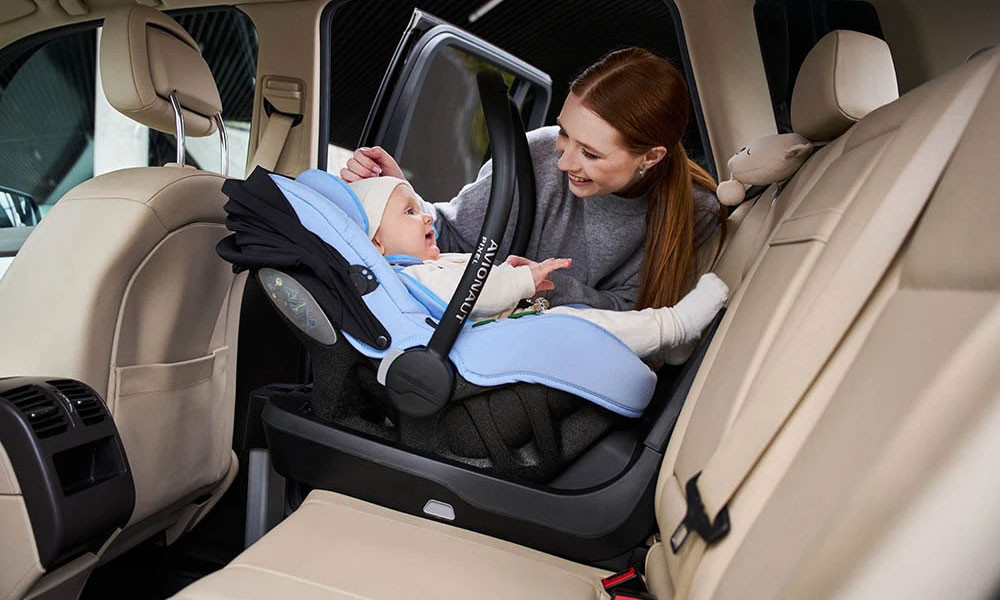
For Prematurity Awareness Month this November, Avionaut's car seat safety expert Fiona Suffield shares advice on choosing and fitting a car seat for premature babies, and explains why the right support can make such a difference to those first journeys.
Bringing your baby home for the first time is a milestone every parent looks forward to. But for families whose babies have been born prematurely or spent time in neonatal care, that journey can come with a mixture of excitement, relief and understandable anxiety.
After weeks or even months of specialist care, suddenly being responsible for your baby's journey home can feel daunting. And while choosing a car seat is something all expectant parents need to consider, premature and low birthweight babies can have additional needs when it comes to positioning, comfort and safety.
To mark Prematurity Awareness Month, we've teamed up with Avionaut to explore what parents should know before leaving the neonatal unit, from choosing a suitable car seat to understanding the importance of correct positioning.
Why car seat positioning matters for premature babies
Babies born prematurely are often smaller, with less developed neck muscles and less control over their head position. This means they may find it more difficult to maintain a safe posture.
Fiona Suffield, car seat safety expert at Avionaut, explains:
“Every newborn needs to be positioned correctly in their car seat, but this is particularly important for babies born prematurely or with a low birthweight. Their head and neck control is still developing, and if their head falls forward, it can affect their breathing.
“The most important thing is finding a car seat that's suitable for your baby's individual size and needs, with a harness that fits correctly and appropriate support for their head and body.”
For babies who have spent time in neonatal care, it's also important to discuss their individual travel needs with the neonatal team before discharge.
Choosing a car seat that fits your baby
One of the biggest misconceptions about newborn car seats is that a seat labelled 'suitable from birth' will automatically provide the right fit for every baby.
In reality, newborns vary enormously in size, and a baby born several weeks early may need a different level of support from a full-term baby.
This is where adjustable newborn inserts can play an important role.
Avionaut's Pixel 3 and Pixel Pro 2.0C infant carriers feature modular insert systems designed to provide adaptable support as babies grow.
Unlike a single-piece insert, the modular design allows individual support elements to be adjusted or removed in accordance with the manufacturer's instructions, helping parents achieve a more tailored fit as their baby's proportions change.
Fiona explains:
“Babies don't all grow at the same rate or in the same proportions, which is why a one-size-fits-all approach to newborn positioning isn't always ideal.
“The modular inserts in our Pixel infant carriers allow the support to be adapted as a baby grows. For smaller babies, having that flexibility can be particularly valuable, but it's essential that the seat is suitable for the individual child and that any adjustments follow the manufacturer's guidance.”
The Pixel 3 also weighs just 2.3kg, making it one of the lighter infant carriers in Avionaut's range, while the Pixel Pro 2.0C weighs approximately 2.5kg.
Both are designed with the needs of newborn passengers in mind, although parents of premature or medically vulnerable babies should always seek advice from their neonatal team about the suitability of any particular car seat.
Five things to check before your baby's first journey home
- Make sure the car seat is suitable for your baby's size.
Check the manufacturer's minimum height and weight requirements, rather than relying on age recommendations alone. If your baby is particularly small or has additional medical needs, ask your neonatal team for guidance.
- Check their head and body position.
Your baby's head should be supported without their chin falling forward onto their chest. Their back and body should sit correctly within the seat, following the manufacturer's positioning instructions.
- Make sure the harness fits snugly.
The harness should lie flat without twists and be adjusted according to the seat manufacturer's guidance. Avoid bulky coats or padded clothing underneath the straps, as these can prevent a secure fit.
- Never add unapproved inserts or padding.
It can be tempting to use additional cushions, head supports or rolled-up blankets to make a small baby look more comfortable. However, accessories that haven't been approved for your specific car seat can affect positioning and potentially compromise safety.
- Keep journeys short and plan ahead.
Very young babies, particularly those born prematurely, can be more vulnerable to breathing difficulties. Follow your neonatal team's advice on journey duration and breaks, and remove your baby from the car seat once you've reached your destination.
Fiona adds:
“It's completely understandable that parents want to make their baby as comfortable as possible, particularly after a neonatal stay. But adding extra padding isn't necessarily safer. Always use the supports supplied or specifically approved by the car seat manufacturer, and seek specialist advice if you're concerned about your baby's position.”
What is a car seat challenge?
Some neonatal units carry out a car seat assessment, sometimes called a car seat challenge, before a premature or medically vulnerable baby is discharged.
This involves monitoring how a baby tolerates being positioned in their car seat, particularly their breathing, heart rate and oxygen levels.
Not every hospital routinely offers this assessment, and the approach can vary depending on the baby's medical needs and local guidance.
If your baby has spent time in neonatal care, ask the team whether any assessment or additional precautions are recommended before travelling home.
Supporting families beyond the car seat
For Avionaut, raising awareness of newborn travel safety goes beyond developing car seats.
The brand is proud to partner with Bliss, the UK charity supporting babies born premature or sick and their families.
Through the partnership, Avionaut is helping to raise awareness of the challenges families can face when preparing to leave neonatal care, while supporting Bliss's wider work with babies and their families.
“Spending time speaking with neonatal professionals has really reinforced just how much information parents have to take in before bringing their baby home,” says Fiona.
“Car seat safety is just one part of that journey, but it's an important one. We want families to feel confident asking questions, understanding what to look for and knowing where to turn for reliable advice.
“Our partnership with Bliss is about recognising the wider experience of families with premature or sick babies and helping to make those first journeys feel a little less overwhelming.”
Every baby's journey is different
For families preparing to leave neonatal care, there's no single car seat or solution that's right for every baby.
The most important thing is choosing a seat that meets your baby's individual needs, ensuring it is correctly fitted and following the advice of the healthcare professionals involved in their care.
And while that first journey home might feel like a small step after everything you've been through, it's also the beginning of a new chapter together.
Find out more: Explore the Avionaut Pixel infant car seat range or visit Bliss for information and support for families of premature or sick babies.
This article has been produced in collaboration with Avionaut for Prematurity Awareness Month. It provides general car seat safety information and does not replace individual medical advice or manufacturer instructions. Bliss is Avionaut's charity partner but does not endorse individual car seats or products.